

FIDELITY FIRST®
At Harbeth, our sole focus is and will always be to enhance the audio experience: to bring out all of those beautiful nuances in the music. Our engineers work tirelessly exploring every aspect of design to give you, the listener, the reassurance that when you buy a Harbeth loudspeaker, you have the ultimate in audio performance.
We’ve taken care of the technology so you can fall in love with your music…all over again.
FIDELITY FIRST®
At Harbeth, our sole focus is and will always be to enhance the audio experience: to bring out all of those beautiful nuances in the music. Our engineers work tirelessly exploring every aspect of design to give you, the listener, the reassurance that when you buy a Harbeth loudspeaker, you have the ultimate in audio performance.
We’ve taken care of the technology so you can fall in love with your music…all over again.
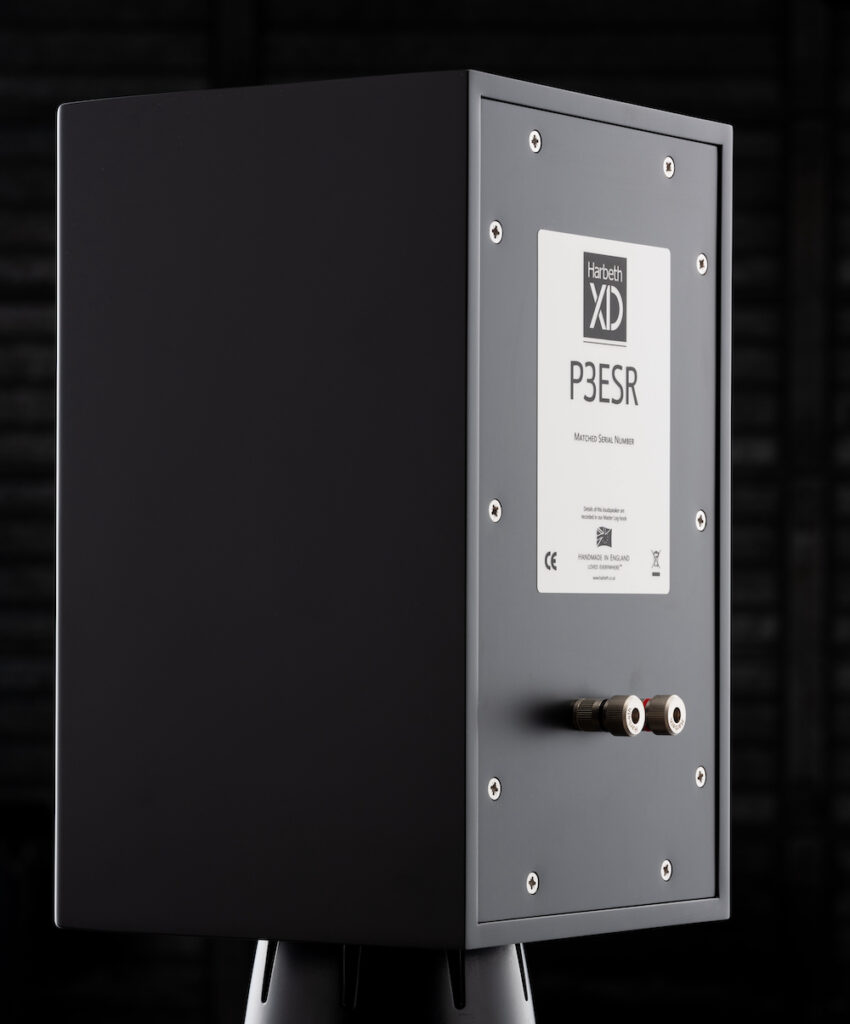
The Harbeth company was founded over forty-seven years ago to commercialise the BBC’s loudspeaker R&D. A great start, but only the first step of our journey towards the perfect sound. Today’s Harbeth loudspeakers are much more transparent, more vivid, more dynamic, more open, and more real. We’ve incorporated every genuine advancement into the latest Harbeth speakers, which are, as you’ll hear yourself, in a class of their own for natural sound.
The Harbeth company was founded over forty years ago to commercialise the BBC’s loudspeaker R&D. A great start, but only the first step of our journey towards the perfect sound. Today’s Harbeth loudspeakers are much more transparent, more vivid, more dynamic, more open, and more real. We’ve incorporated every genuine advancement into the latest Harbeth speakers which are, as you’ll hear yourself, in the class of their own for natural sound.
The Harbeth company was founded over forty years ago to commercialise the BBC’s loudspeaker R&D. A great start, but only the first step of our journey towards the perfect sound. Today’s Harbeth loudspeakers are much more transparent, more vivid, more dynamic, more open, and more real because the enabling technology – such as the exclusive RADIAL2™ technology – has made that possible. We’ve incorporated every genuine advancement into the latest Harbeth speakers which are, as you’ll hear yourself, in the class of their own for natural sound.
At the heart of every loudspeaker is our drive mastery. Through pioneering work in the development of loudspeaker diaphragm material science, we have set a new benchmark with the acclaimed RADIAL cone technology: a true revolution in clarity and detail from a loudspeaker drive unit.
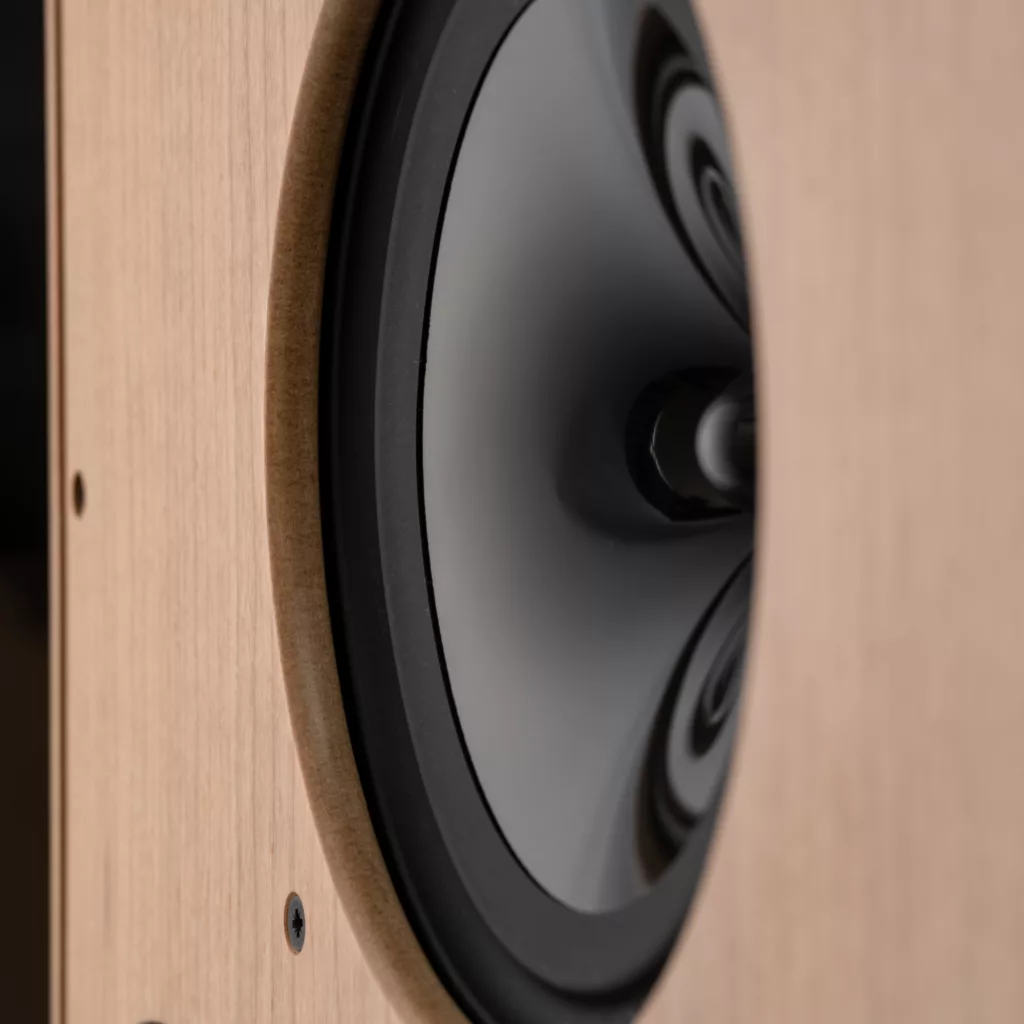
At the heart of every loudspeaker is Harbeth’s drive mastery. Through pioneering work in the development of loudspeaker diaphragm material science, we have set a new benchmark with the acclaimed RADIAL cone technology: a true revolution in clarity and detail from a loudspeaker drive unit.
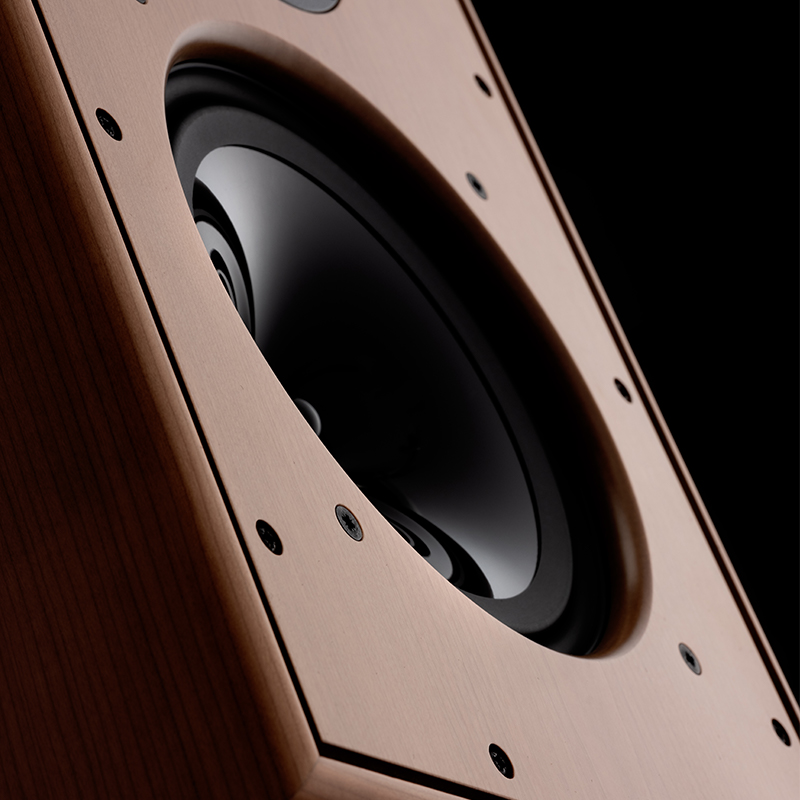
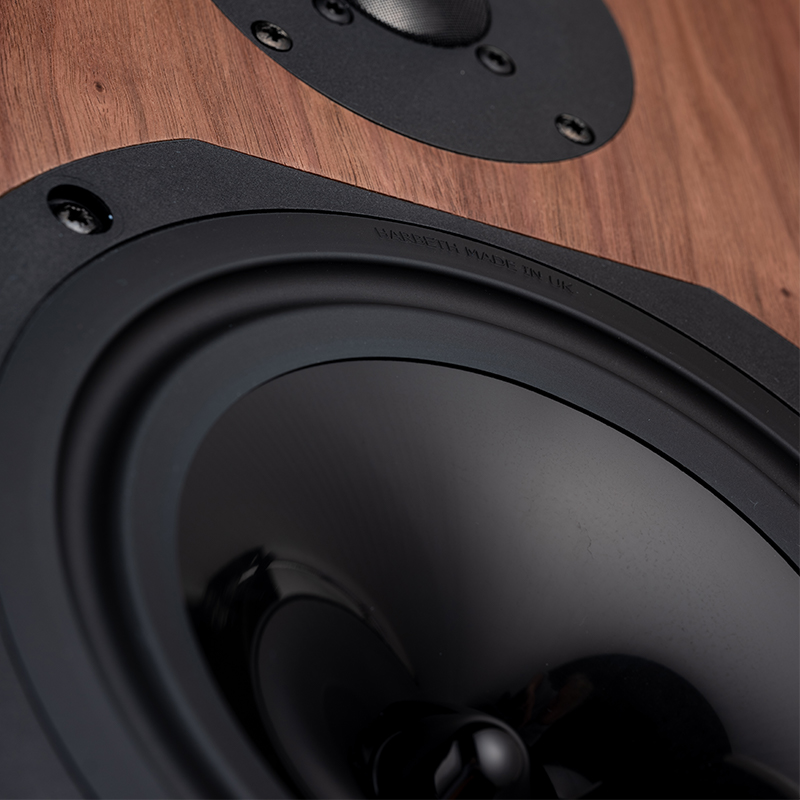
At the heart of every loudspeaker is Harbeth’s drive mastery. Through pioneering work in the development of loudspeaker diaphragm material science, the company set a new benchmark with its acclaimed RADIAL cone technology: a true revolution in clarity and detail from a loudspeaker drive unit.

Nelson
© All Rights Reserved
Harbeth Audio Ltd., UK
2023
Nelson
© All Rights Reserved
Harbeth Audio Ltd., UK
2023
© All Rights Reserved
Harbeth Audio Ltd., UK
2023